From The Neolithic To The Sea: A Journey From The Past To The Present
Chester
Statistics
Category
County
Coordinates
Grid
Condition
Age
Admission
County
Coordinates
Grid
Condition
Age
Admission
Urban
Cheshire
53°11'29.6"N 2°53'31.4"W
SJ 4049566423
-
79AD
-
Cheshire
53°11'29.6"N 2°53'31.4"W
SJ 4049566423
-
79AD
-
Map
- History
- Gallery
- Gallery
- Gallery
- Gallery
- Gallery
- Gallery
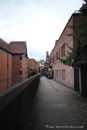
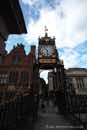
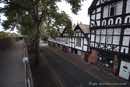
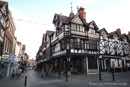
Chester is a walled medieval cathedral city in Cheshire, located on the River Dee, close to the border of Wales.
The city was founded in 79AD, as a castrum, which is a Roman fort, called Deva Victrix in the reign of the Emperor Vespasian. At first is was one of the major army camps in the Roman expansion of Britain, Deva later became a major civilian settlement. It was built on land belonging to the Celtic Cornovii, according to Ptolemy, it was named Deva either after the goddess of the Dee. The Legio XX Valeria Victrix were based at Deva. Central Chester's four main roads, Eastgate, Northgate, Watergate and Bridgegate, follow routes laid out at this time.
A civilian settlement grew around the military base, originating from trade with the fortress. The amphitheatre, which was built in the 1st century, could seat between 8,000 and 10,000 people. It is the largest known military amphitheatre in Britain. The fortress was garrisoned by the legion until at least the late 4th century. Although the army had abandoned the fortress by 410 when the Romans retreated from Britannia.
After the Roman troops withdrew, the Romano-British established a number of petty kingdoms. Chester is thought to have become part of Powys, known as Deverdoeu as late as the 12th century. In 616, Æthelfrith of Northumbria defeated a Welsh army at the brutal and decisive Battle of Chester, establishing the Anglo-Saxon position in the area. In 689, King Æthelred of Mercia founded the Minster Church of West Mercia known as the Minster of St John the Baptist, which became the first cathedral.
The Anglo-Saxons extended and strengthened the walls of Chester to protect the city against the Danes, who occupied it for a short time until Alfred seized all the cattle and laid waste the surrounding land to drive them out. Alfred's daughter Æthelflæd, Lady of the Mercians, then built the new Anglo-Saxon burh.
Chester was one of the last towns to fall in the Norman Conquest. In 1071, William the Conqueror made Hugh d'Avranches, the first Earl of Chester who then built Chester Castle,
During the English Civil War in 1643, Chester sided with the royalist cause of King Charles I, but was subdued by the Parliamentarians. The Mayor of Chester, Charles Walley, was removed from office and replaced by Alderman William Edwards.
After World War II, the shortage of affordable housing in Chester lead to large areas of farmland on the outskirts of the city being developed for residential areas. In 1964, a bypass was built through and around the city centre to combat increased traffic.
In 1969 the City Conservation Area was designated and the emphasis was placed on saving historic buildings.
On 13 January 2002, Chester was granted Fairtrade City status. This status was renewed by the Fairtrade Foundation on 20 August 2003.
The city was founded in 79AD, as a castrum, which is a Roman fort, called Deva Victrix in the reign of the Emperor Vespasian. At first is was one of the major army camps in the Roman expansion of Britain, Deva later became a major civilian settlement. It was built on land belonging to the Celtic Cornovii, according to Ptolemy, it was named Deva either after the goddess of the Dee. The Legio XX Valeria Victrix were based at Deva. Central Chester's four main roads, Eastgate, Northgate, Watergate and Bridgegate, follow routes laid out at this time.
A civilian settlement grew around the military base, originating from trade with the fortress. The amphitheatre, which was built in the 1st century, could seat between 8,000 and 10,000 people. It is the largest known military amphitheatre in Britain. The fortress was garrisoned by the legion until at least the late 4th century. Although the army had abandoned the fortress by 410 when the Romans retreated from Britannia.
After the Roman troops withdrew, the Romano-British established a number of petty kingdoms. Chester is thought to have become part of Powys, known as Deverdoeu as late as the 12th century. In 616, Æthelfrith of Northumbria defeated a Welsh army at the brutal and decisive Battle of Chester, establishing the Anglo-Saxon position in the area. In 689, King Æthelred of Mercia founded the Minster Church of West Mercia known as the Minster of St John the Baptist, which became the first cathedral.
The Anglo-Saxons extended and strengthened the walls of Chester to protect the city against the Danes, who occupied it for a short time until Alfred seized all the cattle and laid waste the surrounding land to drive them out. Alfred's daughter Æthelflæd, Lady of the Mercians, then built the new Anglo-Saxon burh.
Chester was one of the last towns to fall in the Norman Conquest. In 1071, William the Conqueror made Hugh d'Avranches, the first Earl of Chester who then built Chester Castle,
During the English Civil War in 1643, Chester sided with the royalist cause of King Charles I, but was subdued by the Parliamentarians. The Mayor of Chester, Charles Walley, was removed from office and replaced by Alderman William Edwards.
After World War II, the shortage of affordable housing in Chester lead to large areas of farmland on the outskirts of the city being developed for residential areas. In 1964, a bypass was built through and around the city centre to combat increased traffic.
In 1969 the City Conservation Area was designated and the emphasis was placed on saving historic buildings.
On 13 January 2002, Chester was granted Fairtrade City status. This status was renewed by the Fairtrade Foundation on 20 August 2003.